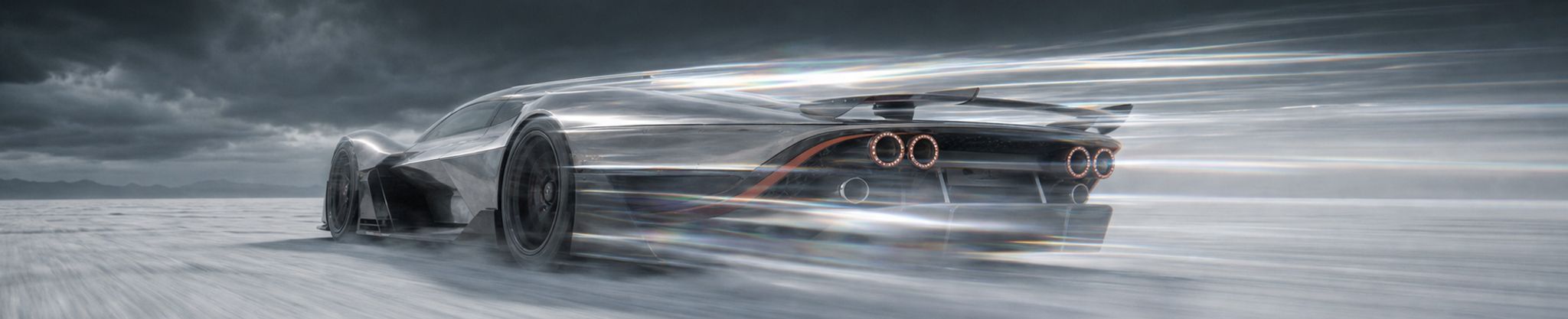
THRESHOLD began as a practical internal test: could we take a complete creative brief from concept to finished film using generative AI as the primary production method?
We had already used AI across parts of our process, mainly for concept exploration, early visual development, moodboards, and isolated elements within larger projects. What we had not tested was whether these tools could support a complete short film, with the usual requirements around continuity, pacing, performance, visual consistency, design, atmosphere, edit structure and final delivery.
There is a clear difference between producing impressive isolated tests and answering a brief with them. We wanted to understand that difference properly before offering this kind of process to a client.
More conversations now involve questions around how studios are using AI, where it is useful, and where it is still difficult to control. We wanted to speak from practical experience, not from opinion.
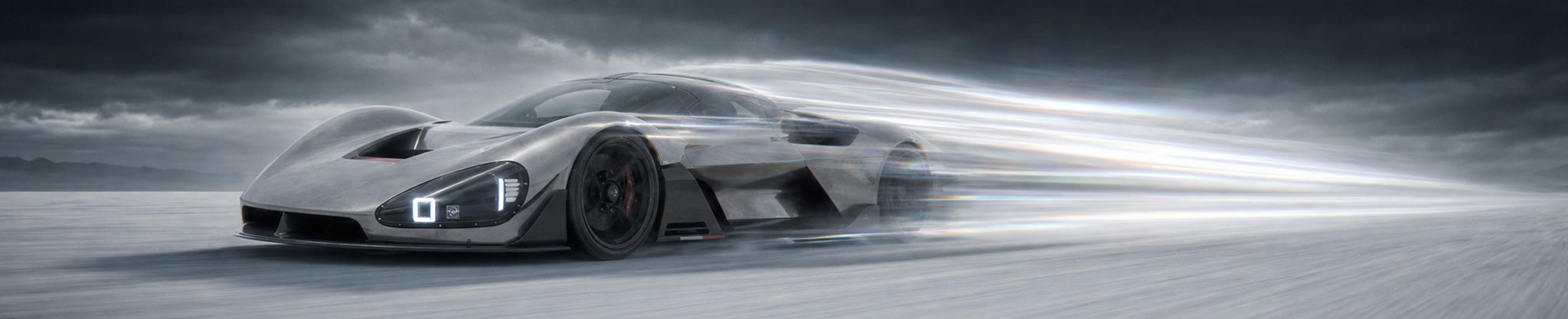
On the surface, THRESHOLD is a one-minute automotive film: a man driving across a salt flat, pushing towards an unknown point in the distance. Underneath that, the film is concerned with commitment, forward motion and the point at which preparation gives way to action. The subject also reflected the process. We were using unfamiliar production methods, without a fully established route from brief to delivery, and wanted to understand the strengths and limitations of the tools through a live creative exercise.
The objective was straightforward: build a short cinematic film, to our own standard, using generative tools as far as they reasonably made sense, and document what the process revealed.
Setting the brief
We chose an automotive subject because it sits close to the kind of work we already produce. It gave the project a clear relationship to performance, movement, control, surface, pressure and engineered form.
We kept the vehicle and brand context intentionally open. The aim was to work with automotive language without designing a film around a specific marque or product. The story was built around a driver, a machine and a landscape, but the underlying idea was broader: a subject approaching a threshold and accepting the forward motion of crossing it.
That gave the film a useful structure. The car, the driver, the salt flat and the visual treatment all needed to support the same progression: preparation, alignment, decision, entry and the cut before contact.
We also wanted the finished piece to function as a short film before it functioned as a process demonstration. The tools were central to the production, but they were not intended to become the subject of the film itself. If anyone watching came away thinking mainly about the process rather than the piece, we had not quite got it right.
Building the production framework
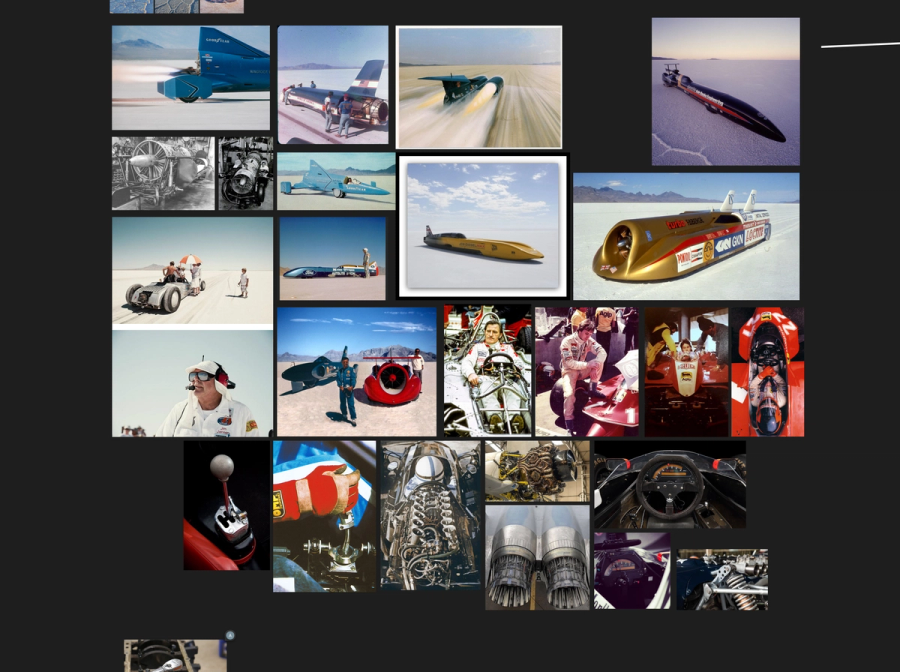
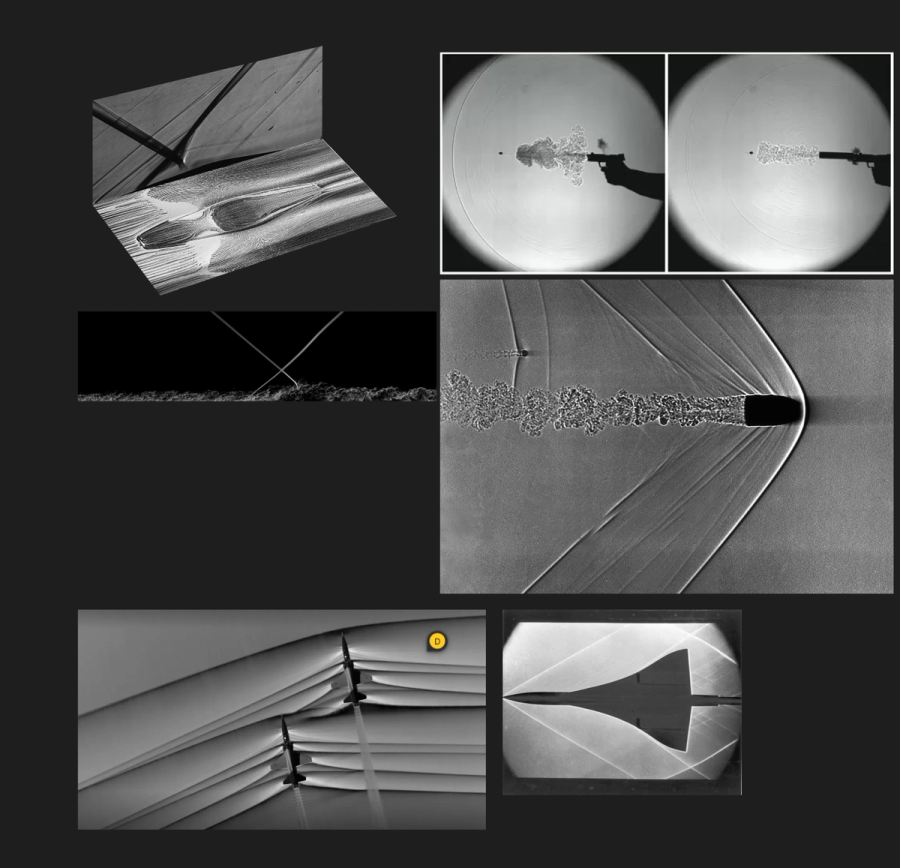
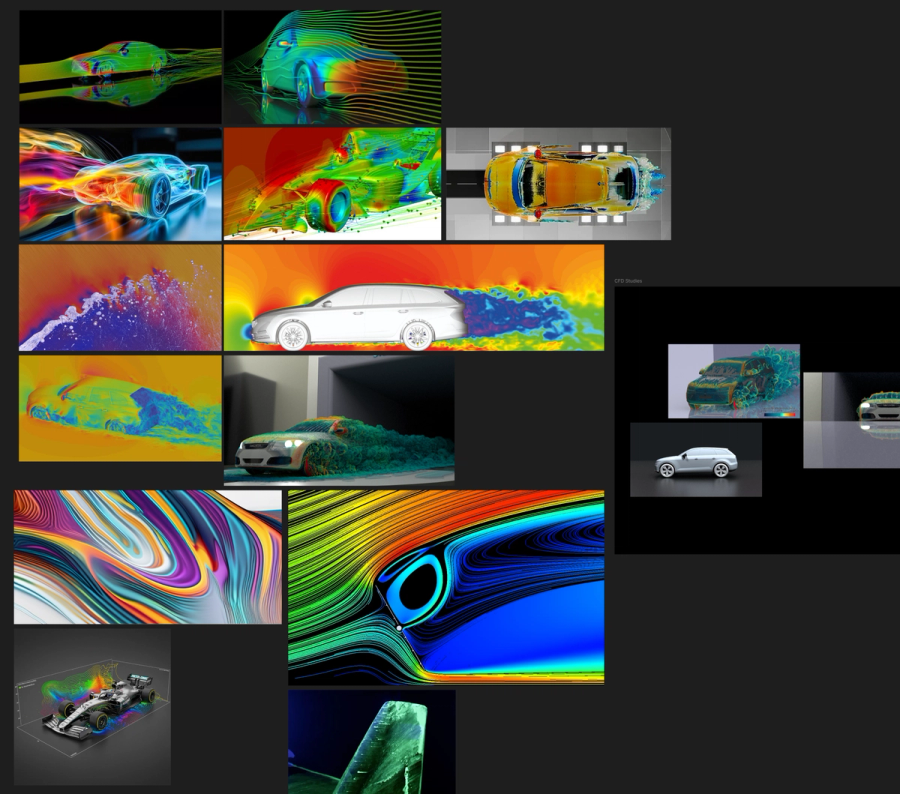
Much of the early work focused on giving the project enough structure before we began producing final shots.
We built a central board that brought together the treatment, story beats, style references, vehicle development, character development and shot references. It became a working production document for the team.
The references were organised by purpose. Some defined the emotional tone of the piece: salt flats, land-speed runs, cockpit interiors, driver preparation and the sense of isolation around extreme performance. Others addressed more specific visual and technical questions: aerodynamic studies, pressure lines, surface tension, scientific imaging, mineral patterns, cracked salt, machining, carbon fibre, exhaust detail and engineered surfaces.
The board helped us solve different production problems. It defined the world of the film, described the behaviour of forces around the vehicle, supported continuity across the driver, suit, cockpit and car, and gave us a visual language for moments where the film needed to become more abstract while remaining connected to automotive performance.
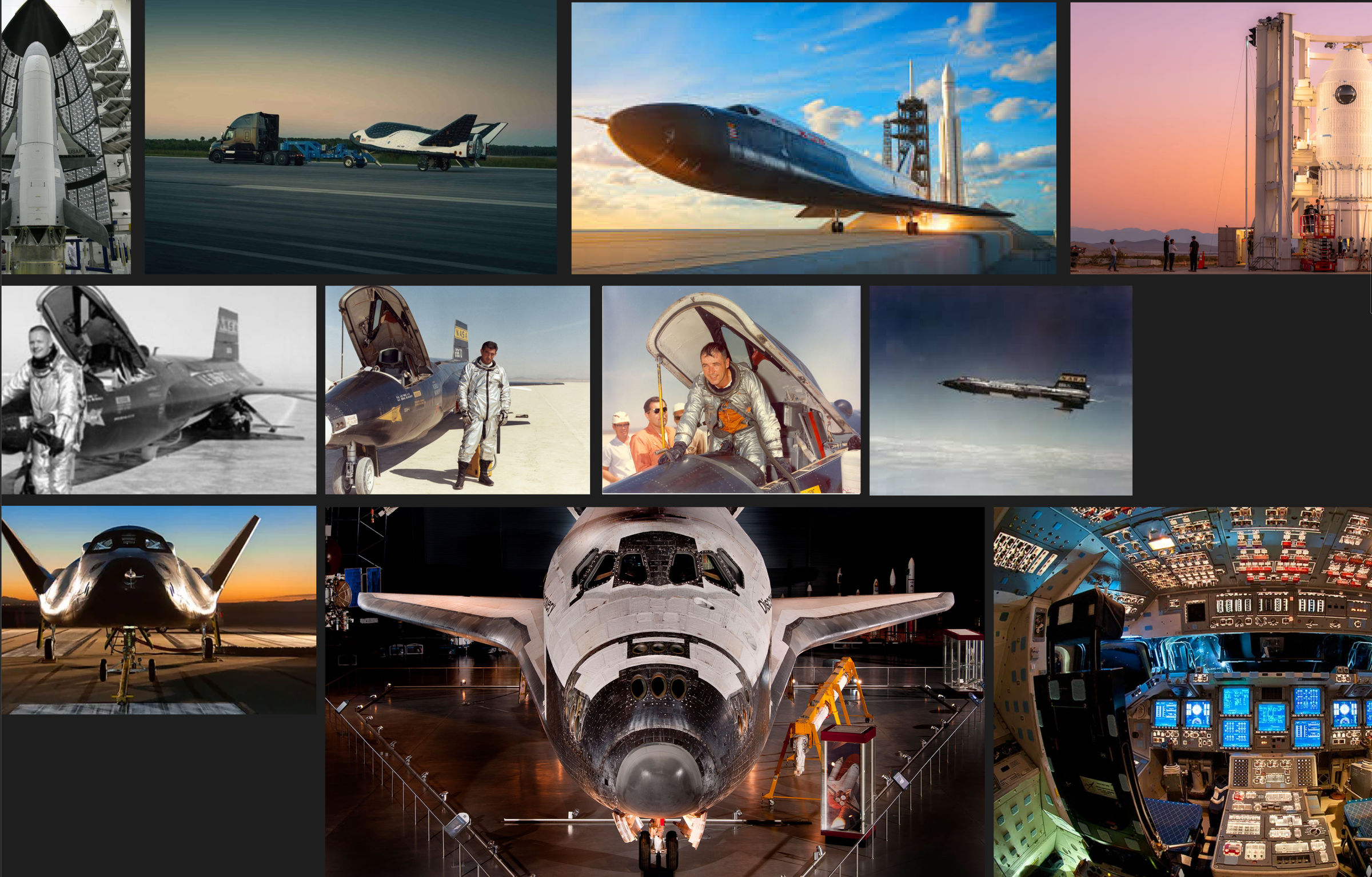
It also helped us move from treatment into production planning. We broke the film into beats: preparation, alignment, decision, entry and the cut before contact. From there, we could assess each shot according to its function in the sequence, not just its visual appeal.
The project also made clear that there was no single AI workflow that suited every shot. Different members of the team approached the film through different methods, shaped by their existing skill sets and by the specific demands of each sequence.
One route was 3D-led. Houdini was used to block out camera moves and vehicle motion, creating playblasts that could guide the AI video pipeline. This was particularly useful for shots that needed believable vehicle behaviour: drifts, skids, camera flow, and a continuous sense of movement from one shot to the next. Even when the final image was generated, the shot still needed physical logic underneath it.
Another route was generative-first. In these cases, the AI tools became the primary creative instrument. This approach suited shots where atmosphere, texture, faces and subjective moments mattered more than precise physical choreography.
A third strand focused on continuity and design control: character design, vehicle design, cockpit references, landscape references and the sheets that the rest of the team could keep returning to. This became increasingly important as the edit developed.
The vehicle needed to feel automotive without suggesting a specific existing brand or model. If the car became too literal, the film began to imply a product that did not exist. If it became too abstract, the piece lost its automotive grounding. The design needed to feel engineered, grounded and performance-led while still allowing room for interpretation.
The vehicle development moved through several reference families: land-speed forms, experimental automotive silhouettes, low aerodynamic profiles, enclosed cockpit shapes and more familiar performance-car details. Early tests explored broader speculative forms. Later versions pulled the design back towards clearer automotive cues: bodywork, wheel position, cockpit, stance, ground contact and material finish.
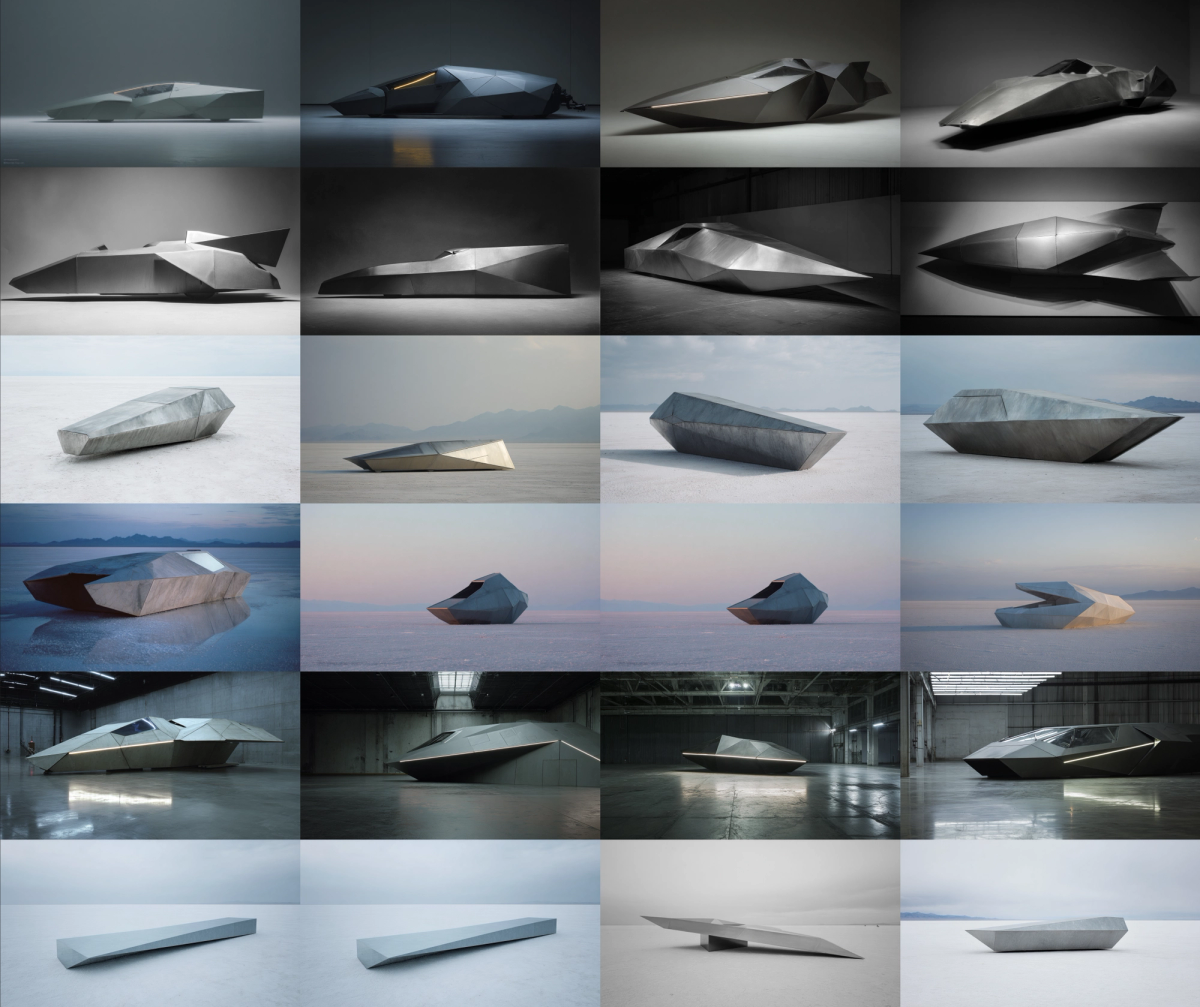
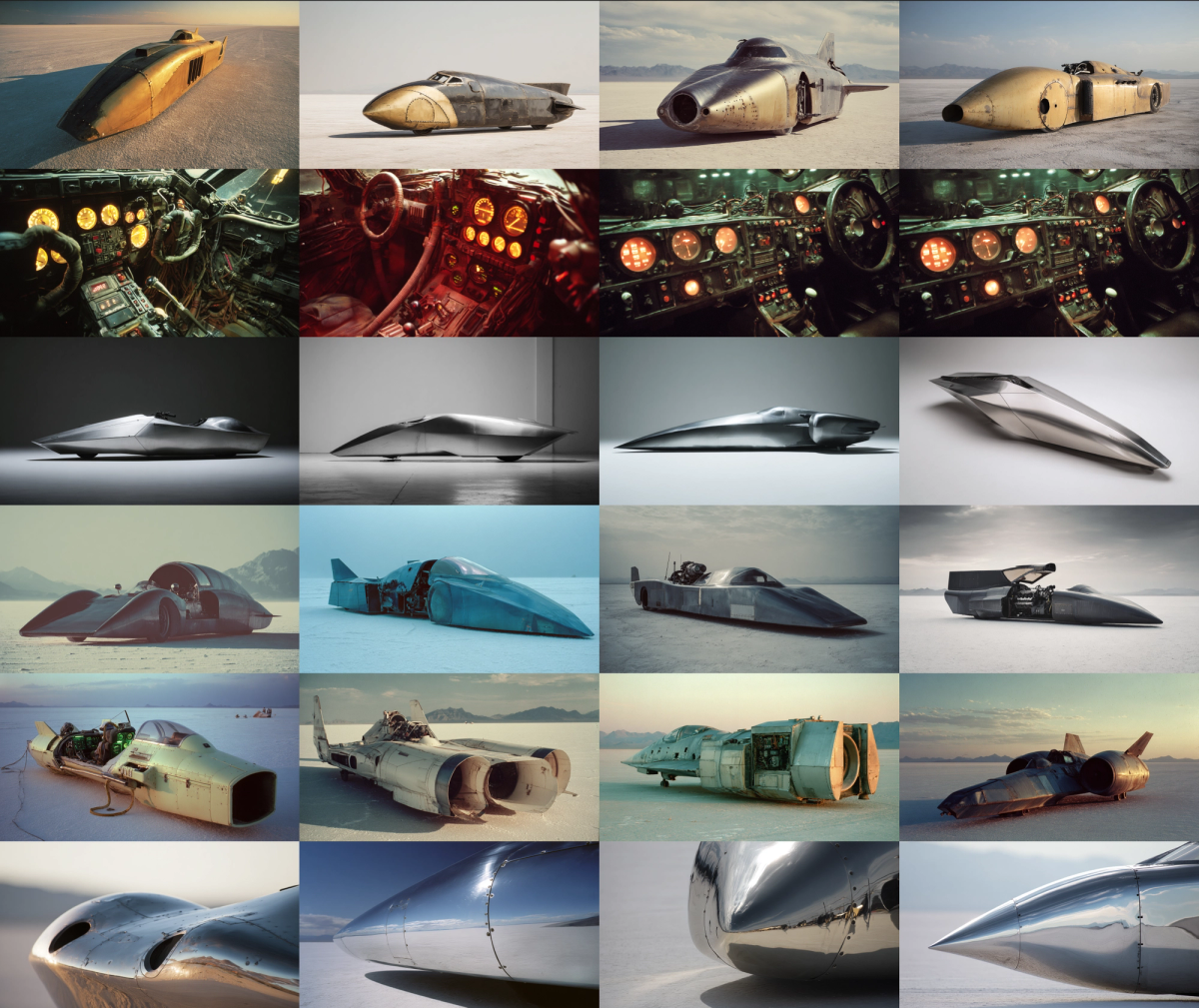
Early vehicle explorations
The driver went through a similar process. The figure needed to give the film a human presence without turning it into a conventional character piece. We explored suit design, helmet details, gloves, harnesses, cockpit reflections and close-up facial moments. The important qualities were focus, breath, anticipation and the sense of someone preparing to commit to an act that cannot be undone.
The first edit
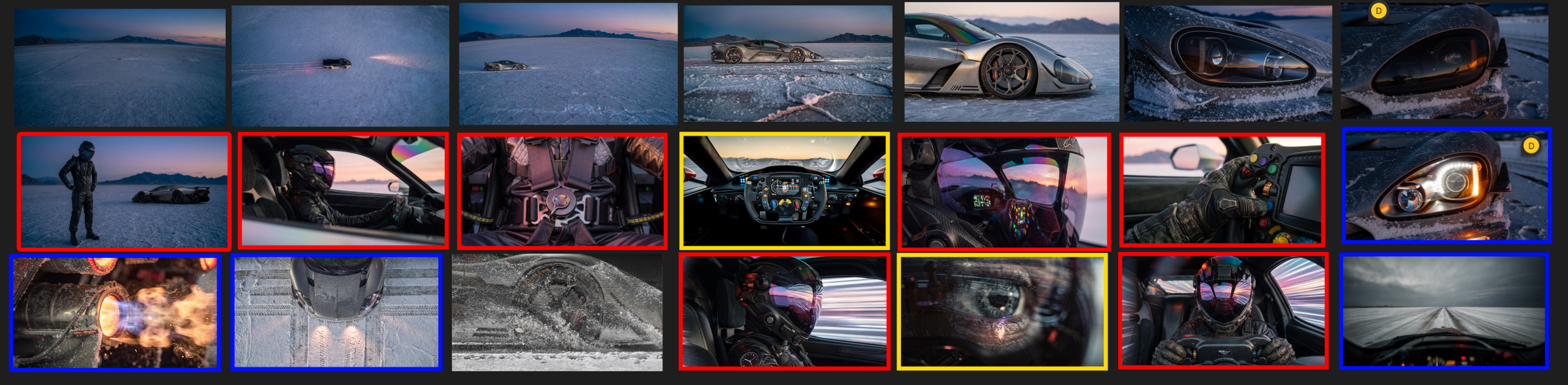
The first pass at the film exposed the main weakness in our initial process.
Many of the images were visually interesting, but they did not yet form a coherent film. We had divided the project into sections, assigned them according to the workflow that seemed most suitable, and allowed each section to develop independently against a rough structure. The intention was to establish pacing first, then refine visual consistency afterwards.
The result was a sequence of disconnected moments. The shots did not feel as though they belonged to the same world. The vehicle and driver lacked continuity. The emotional through-line was also too thin. The edit had energy, but it felt more like a collection of related clips, held together by the music doing most of the work, than a directed piece.
The first version made the missing elements clear. We needed stronger continuity, a more deliberate relationship between shots, and a clearer sense of the driver moving through an experience. The project needed the same things any short film needs: visual coherence, rhythm, point of view, story logic and an emotional progression.
Part of the problem traced back further than the edit itself. The brief had not been fully locked before production began. The intention had been to leave room for the team to bring their own input as the piece developed, in the way a more conventional motion design project allows. On a project like this, that openness made it harder for people to move independently and with confidence, because there was no fixed template for everyone to work from.
We returned to the structure and rebuilt the process around what the film needed.
First, we built a proper 3D animatic for the driving sequence. This gave us a clearer understanding of camera, vehicle movement, direction of travel and edit flow before generating final imagery. We could test movement, timing, angles, dust, surface interaction and the feeling of the run before asking the AI tools to produce finished-looking frames.
Second, we reworked the opening. The original version moved too quickly into surface and spectacle. It did not give the audience enough context for the driver or the act of driving. We added shots that suggested the driver visualising the journey ahead: fragments of focus, breath, anticipation and internal commitment. That helped bring a sense of stakes and intent into the film earlier, even within a very short runtime.
Third, we created dedicated reference sheets for the driver, the vehicle, the cockpit and the landscape. Every generation, whether still or moving, needed a consistent visual anchor. Without that, the tools naturally drifted.
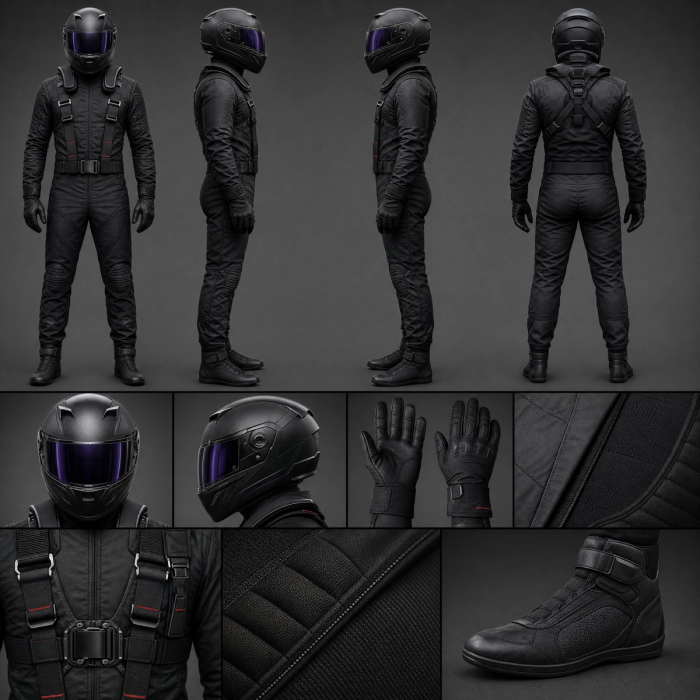
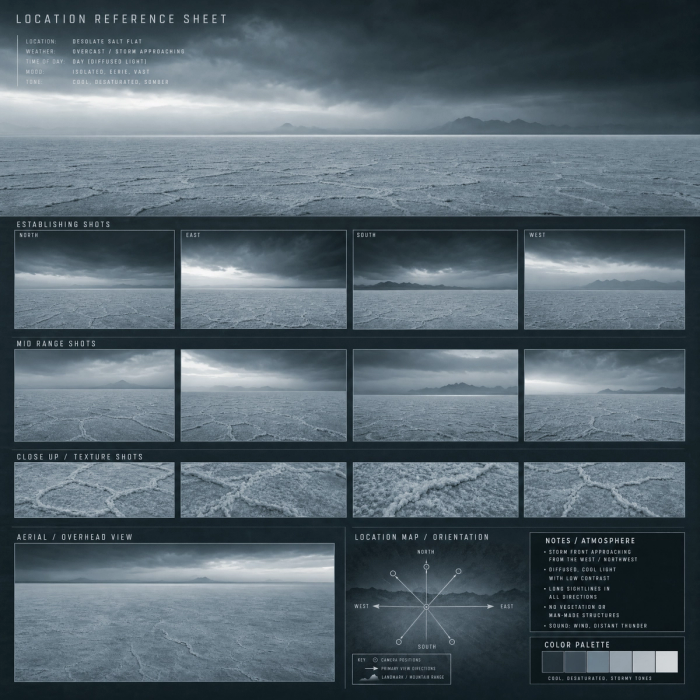
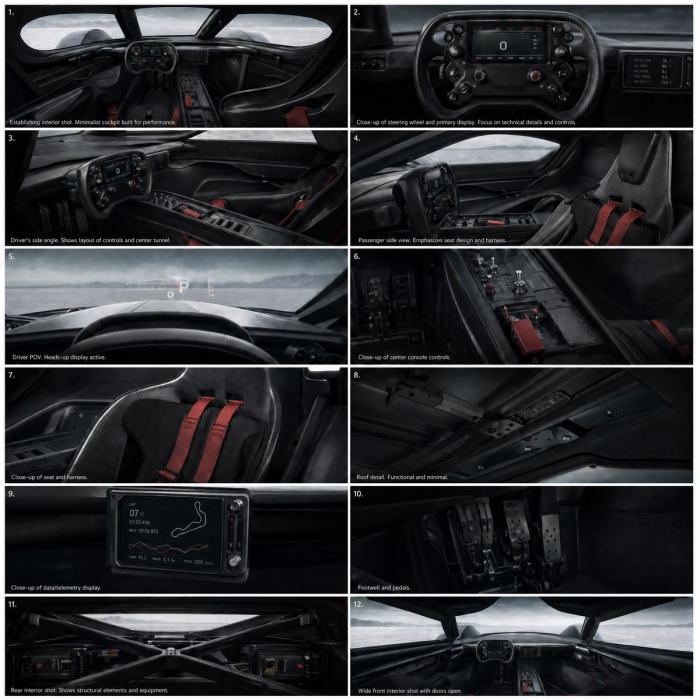
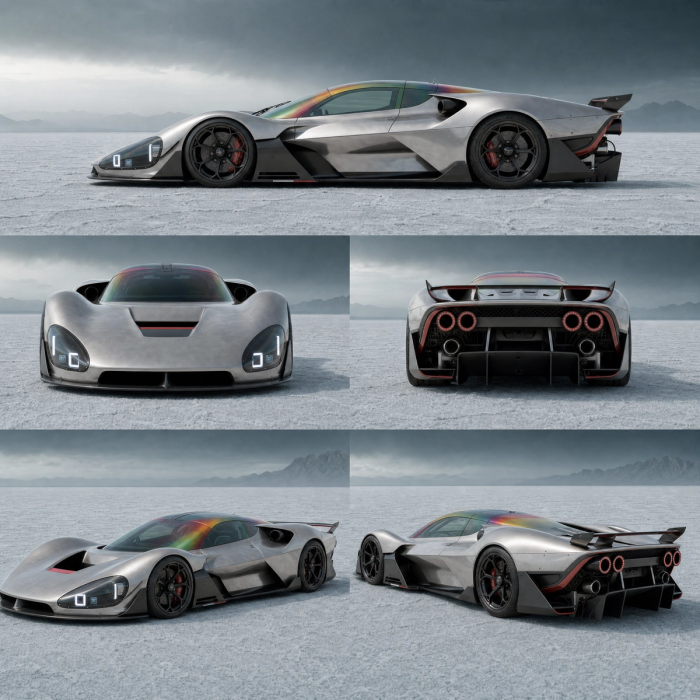
Once those references were in place, we pushed the lighting more deliberately. Some early images were technically convincing but visually flat: realistic, evenly lit and not especially cinematic. Relighting stills with more directional contrast gave the film more atmosphere and helped bring the shots into the same world.
At that stage, the project began to operate with a more defined production framework.
OId dogs, new tricks
One of the more useful parts of the project was seeing how much of our existing production experience still applied.
We were still dealing with camera direction, edit rhythm, shot function, continuity, lighting, material response, silhouette, framing, performance and design consistency. Those decisions often had to be expressed through reference, prompts, image selection and iteration, rather than through direct control of every element in a scene.
The 3D animatic drew on animation skills. The vehicle and cockpit development drew on design and art-direction skills. The material references drew on look development. The lighting pass used the same judgement we would apply in CG, comp or grade. The edit still needed pacing, escalation and emotional clarity.
In some areas, the process made those skills more important. Because the outputs could look highly finished very quickly, weak decisions could become embedded early. The team needed a clear basis for judging the work before it became too polished to assess objectively.
What the process showed us
The main practical gain was the scale of image-making available to a small team.
We were able to build a visually ambitious short film with limited spend and a timeframe that would not have supported the same result through our traditional pipeline. The salt-flat landscapes, heavy atmospherics, volumetric detail, close-up facial work and cinematic lighting would all have required a much larger production effort to achieve conventionally.
For a studio of our size, without the budget of a full live-action shoot or a larger CG production, generative tools gave us access to images that would otherwise have been difficult to make in this way. This is not Hollywood production for a fraction of the cost. It is a different kind of production, with a different set of trade-offs, and the comparison is more limited than it might first appear.
The tools were also useful for exploring visual directions quickly. We could test different vehicle silhouettes, surface finishes, cockpit languages, landscape treatments and lighting approaches in a compressed period of time.
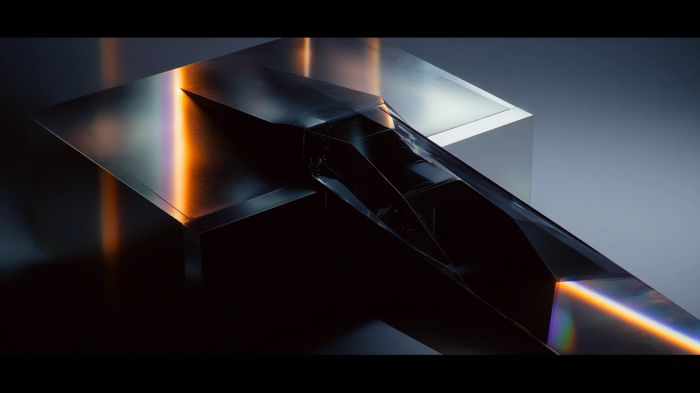
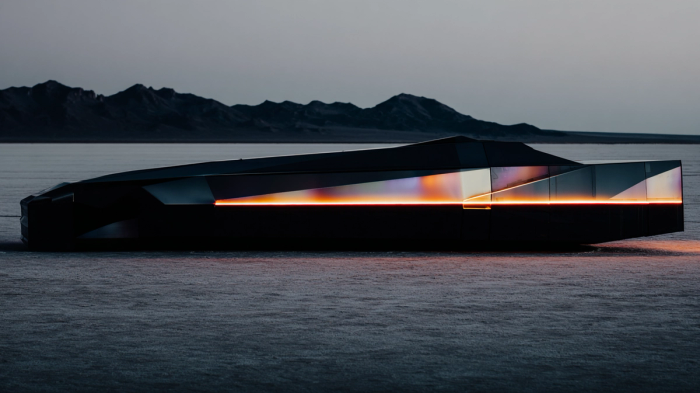
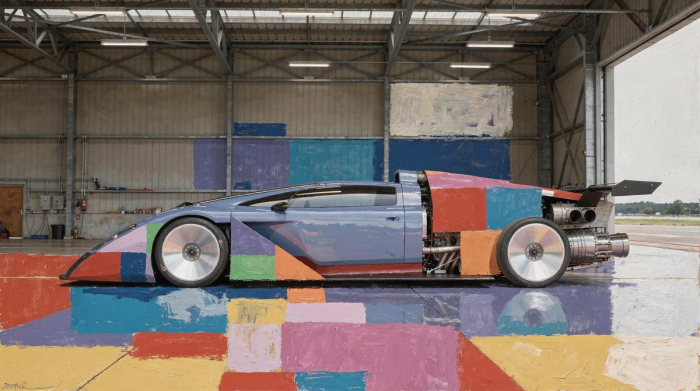
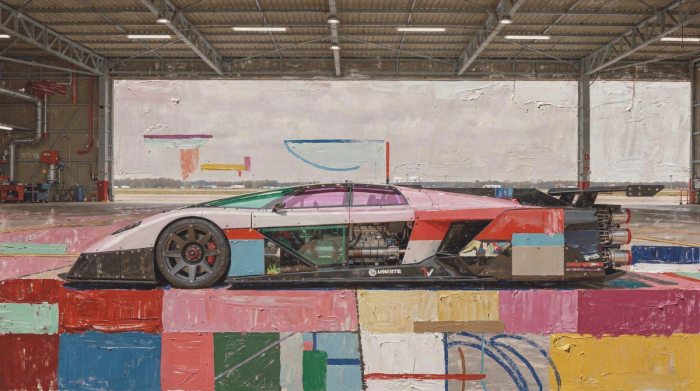
That speed created a decision-making problem. There were more plausible directions than we could realistically pursue. The work became increasingly about selection, consistency and deciding which images belonged to the film.
Progress also followed a different pattern from a conventional production pipeline. We could not always move cleanly from block-out, to layout, to animation, to lighting, to final. A change often meant regenerating rather than adjusting, which made iteration less predictable.
Precision was harder to manage. Much of the workflow became a combination of prompting, image generation, video generation, Photoshop work, 3D animatics, reference sheets, upscaling, grading and editorial judgement. The underlying mechanism by which a model arrives at a result is still largely opaque. It can be guided and constrained, but there is no guaranteed route to the exact image in your head.
At a certain point you have to take your hands off the wheel a little, let the model do what it does, and direct from there. You still make deliberate creative decisions, but part of the process involves responding to what the model gives you and deciding whether to accept, redirect or rebuild from another route.
Budgeting was also difficult to predict. A shot might arrive quickly, or require many attempts, or never quite resolve in the expected form. That makes time and cost harder to scope with confidence, particularly when the quality of the work depends on iteration and credits come at a cost on every attempt.
Collaboration was another challenge. Our normal process often allows a shot or scene to be divided across several people: one person builds assets, another blocks the environment, another handles animation, another composites. Generative production does not divide as neatly. There is not always a clear way for multiple people to work inside a single shot in the same way.
Shared direction became more important. Everyone needed to work from the same references, the same design logic, the same locked decisions and, where relevant, the same trained models or prompt structures.
And probably the most important factor: The brief needed to be clearer earlier. On THRESHOLD, the first version showed how quickly a team can generate polished material that still does not belong to the same film. In a conventional pipeline, some ambiguity can be resolved through stages, with room for exploration and testing before anything is treated as final. In this process, the images can begin to look close to final from the first attempt, which leaves less room for loose, exploratory development.
What we take forward
The main learning was around direction and coherence.
Creative decisions needed to be made earlier than we expected. Reference needed to be stronger. Continuity had to be actively designed. The brief had to become more precise. Taste and judgement remained central, partly because the tools could produce finished-looking images before the film itself was properly working.
The first pass of THRESHOLD had images, but not enough structure. The later version improved when we brought in the production methods we already rely on elsewhere: animatics, continuity, design control, emotional beats, edit logic and a clearer relationship between subject and story.
The process still needed structure, review and direction. The tools changed how those things were applied, and where in the process they needed to happen.
THRESHOLD has made us more interested in generative production as a practical route for certain kinds of work. It also suits part of how we are built as a studio: a small, specialised team used to solving unusual visual problems, moving quickly, and combining different methods to answer a brief. Generative tools fit naturally into that mindset when the project gives them a clear role.

The open question is how this integrates with the large-format and projection-based work we are known for. Much of our work has to sit across unconventional canvases, high-resolution formats and multi-feed environments. Generative tools are still largely built around conventional filmic frames, which creates a gap between their current strengths and the technical demands of immersive or projection-led projects.
We see this as a distinct production route for some briefs, and as a set of techniques that can fold into larger hybrid workflows. We have already used AI generation alongside traditional production methods, as elements integrated into a larger piece. THRESHOLD showed that we can also take on a brief primarily through a generative pipeline when the project suits that approach.
We have to make the usual caveats that we do not know exactly how these tools will develop, and it is too early to make broad claims about where they will sit in every production process. Our approach is to keep testing them in practical contexts, use them where they earn their place, and keep judging the work by the brief rather than by the tool.
For us, the useful learning was practical. The work still depends on direction, taste, continuity and review. In this process, many of those decisions need to happen earlier than we first expected.