
We utilize web technology to build applications for use in public spaces. Example use cases would be tablet devices to accompany installations to allow the visitor to control an experience, input content and data.
To lock the experience to the tablet we need to put Chrome into kiosk mode.
Now that Chrome is set to Kiosk mode it will automatically open the url that you specified in fullscreen mode.
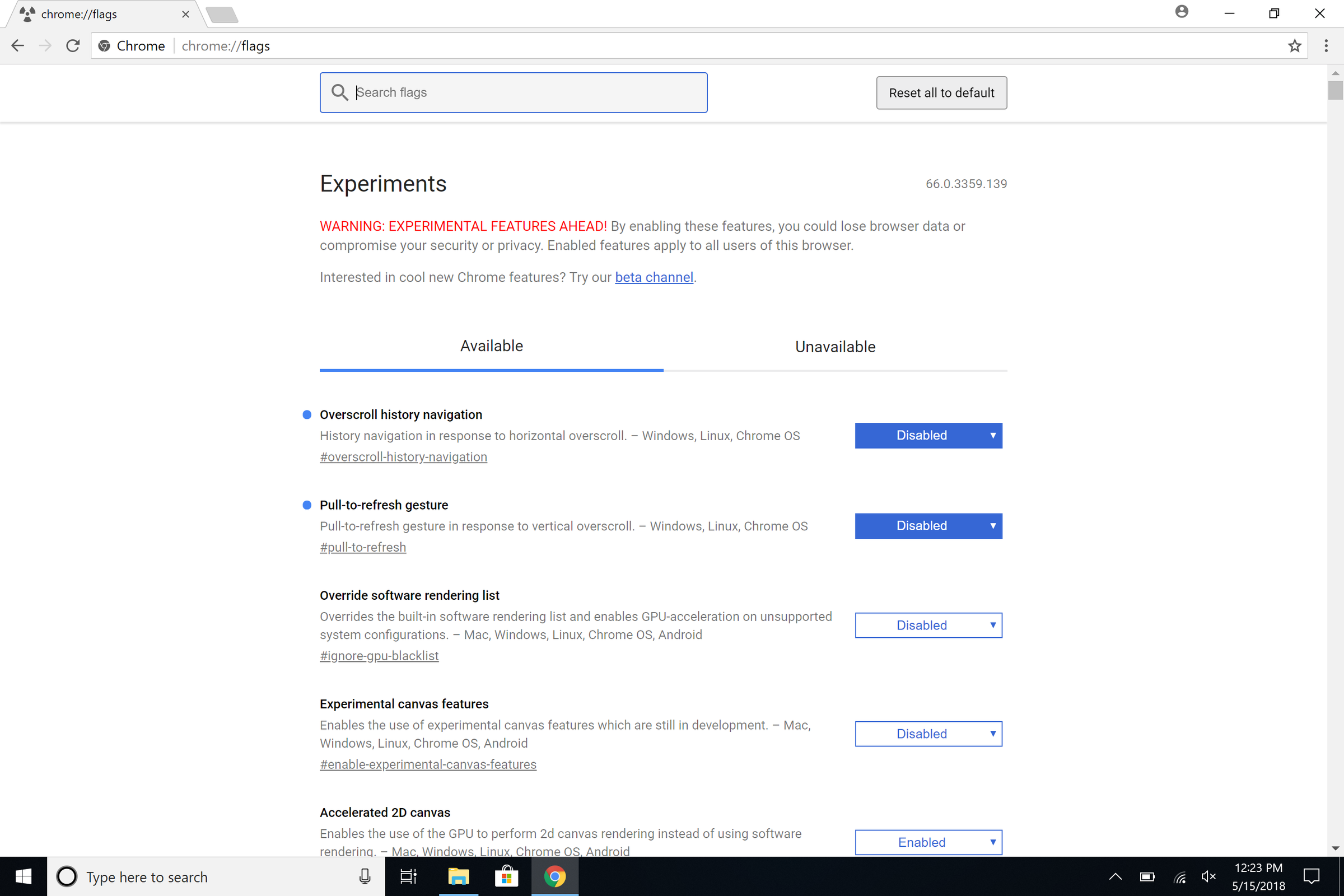
Disabling Overscroll History Navigation
If you are using a tablet or touch device you are also going to want to disable two-finger swipe to navigate forward and back on a given page. This allows you to "lock" the tablet and prevent users from browsing back and forward using gestures.
To do so:
This only applies to Windows, Linux, Chrome OS
Disable Pull-to-refresh Gesture
Depending on the structure of your application and the user experience you may also want to disable the pull to refresh function.
To do so:
This only applies to Windows, Linux, Chrome OS
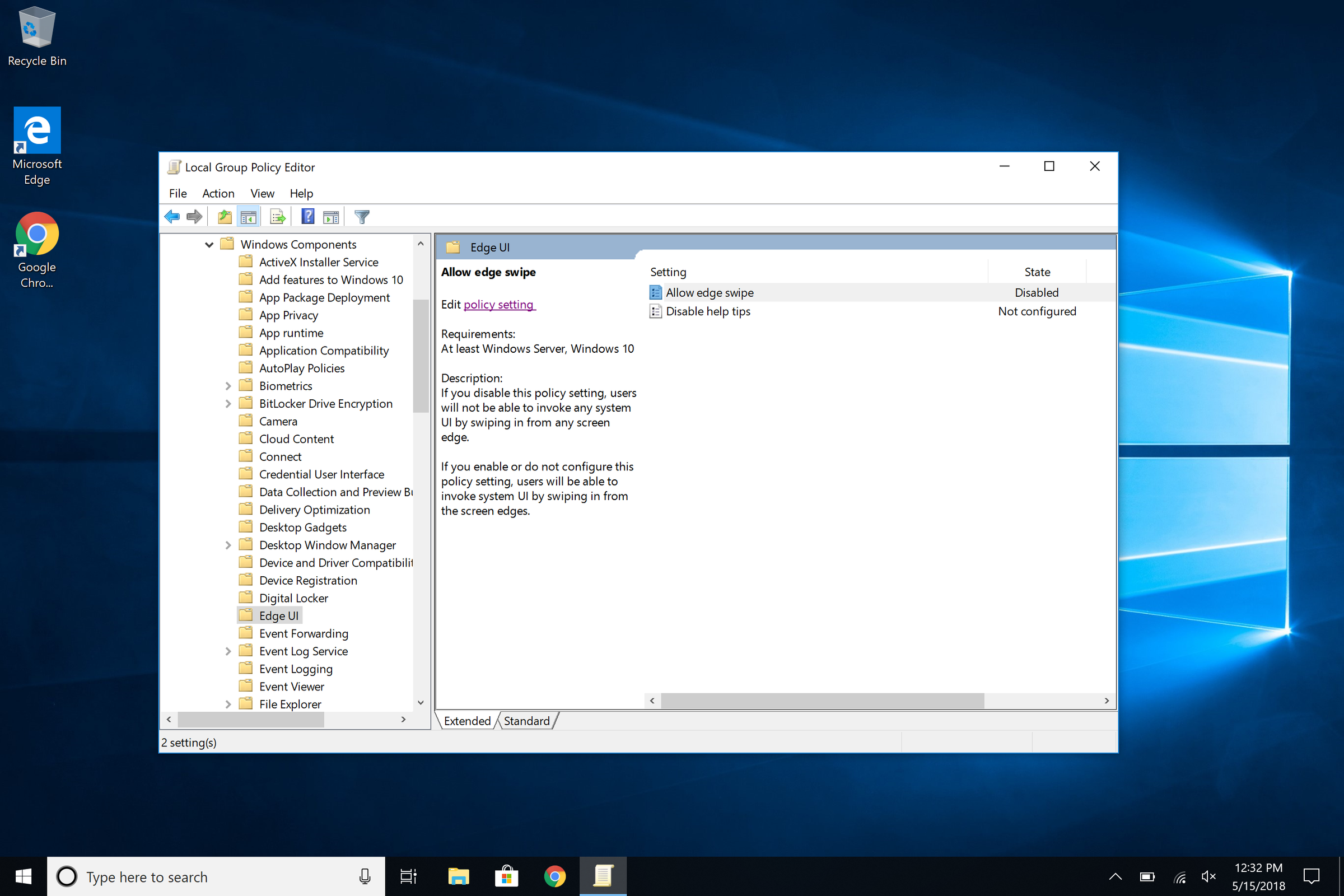
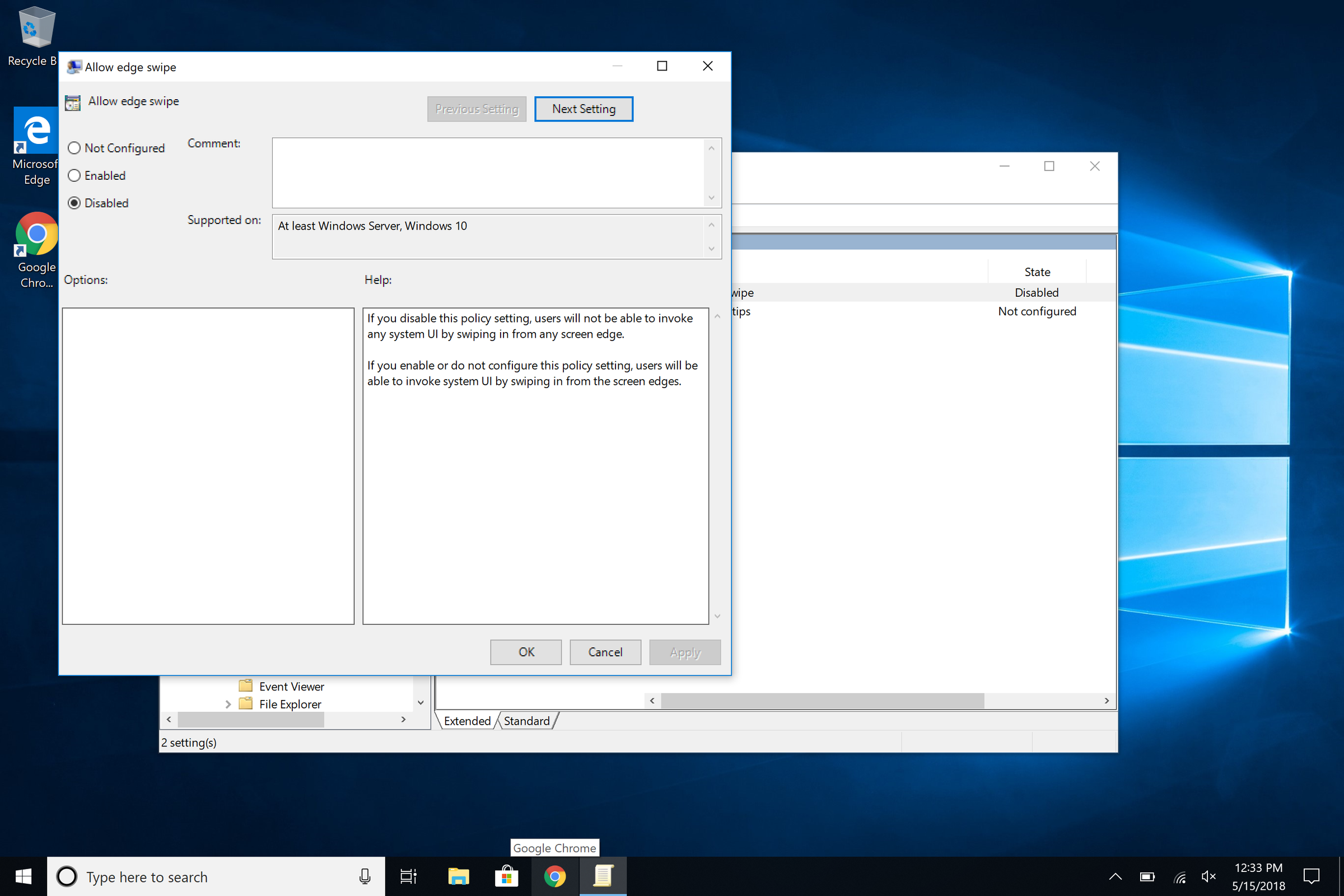
Disable Edge Swipe on Windows 10
Swiping from the edges on touch enabled Windows 10 devices activate a range of overlays that you probably don't want to appear on your application.
Swiping in from the right side of your screen opens the action center. Swiping in from the left to view opens all your open apps in task view. Swiping in from the top to view opens a full screened app's title bar while tablet mode is on. Swiping in from the bottom to view opens the taskbar in full-screened apps while tablet mode is on or when the taskbar is auto-hidden.
To disable edge swipe on Windows 10:
Disable Pinch to Zoom
To disable pinch to zoom in the properties window of the Chrome shortcut add the following property before the target url.


